
Practical Gardening Solutions for Food Security and Sustainable Livelihoods
At Potential X-Factor, we believe communities should have opportunities to grow food, develop practical agricultural skills, and make productive use of the resources available to them.
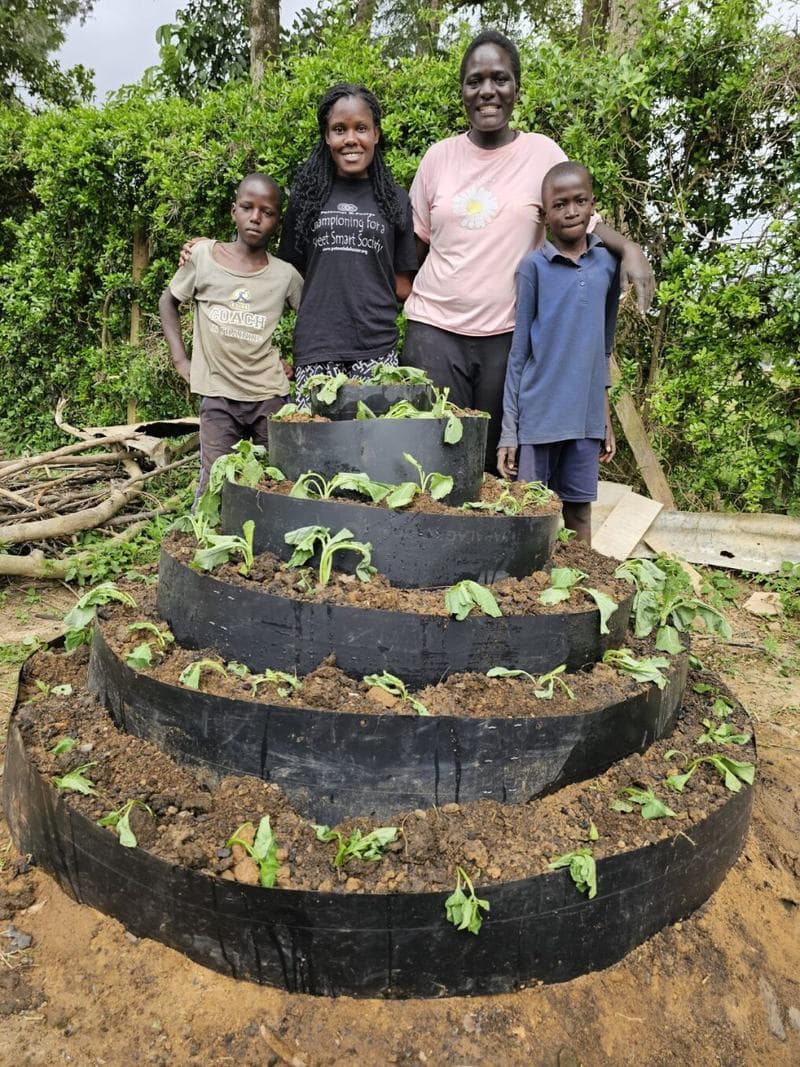
Through the Siaya Green Initiative, we have introduced vertical gardening as part of our wider work in climate-smart agriculture, food security, and youth empowerment.
By using space-efficient gardening methods and reusable materials, the initiative demonstrates how vegetable production can become more accessible and affordable.
Our goal is to encourage practical learning, resourcefulness, and opportunities for young people and communities to participate in sustainable food production.
Making Better Use of Available Space
Access to suitable growing space and agricultural resources can present challenges for households and communities.
For Potential X-Factor, vertical gardening is also a practical learning opportunity. It encourages participants to explore sustainable growing methods, reuse suitable materials, and develop skills that can contribute to household food production and small-scale enterprise.
Simple Ideas. Practical Skills. Community Participation.
Our vertical gardening activities focus on three connected priorities.
Practical Demonstration
Introducing participants to space-efficient gardening approaches through hands-on activities and demonstration gardens.
Resourcefulness and Reuse
Encouraging the use of suitable reusable materials to help reduce the cost of establishing gardens.
Skills for Food Production
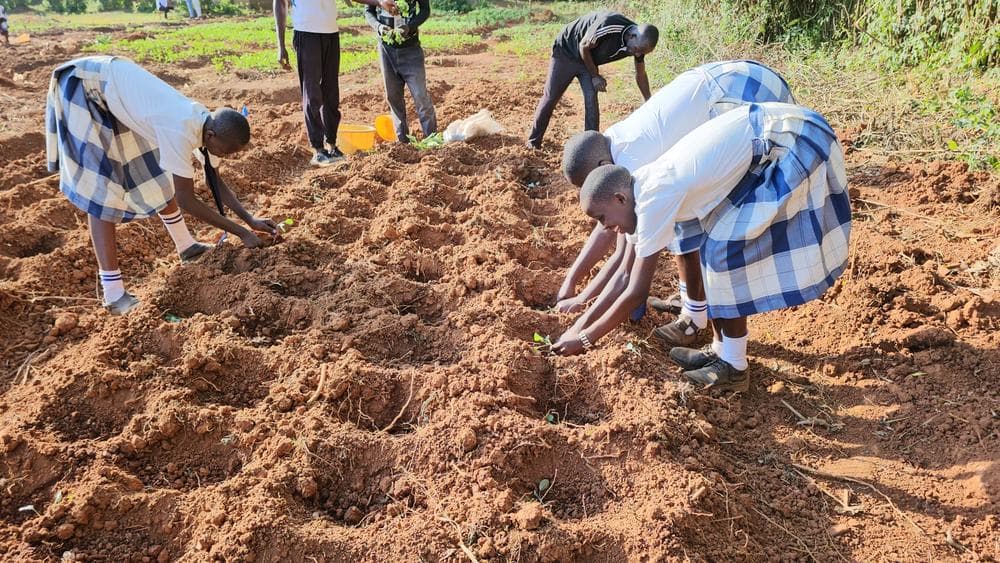
Supporting practical learning in vegetable growing and climate-smart agricultural practices as part of broader youth and community training.
Through these activities, we aim to make agricultural learning practical and relevant to local needs.
Vertical Gardening Through Make Siaya Green Again
In 2025, vertical gardening formed part of Make Siaya Green Again, the first phase of the Siaya Green Initiative.
These activities contributed to the project's broader objective of promoting food production and practical agricultural skills.
Reported Achievements From 2025
4+
Vertical gardens established
Make Siaya Green Again closure report · 2025
4
Original project target
Make Siaya Green Again closure report · 2025
4+ Vertical Gardens Established
The project reported establishing more than four vertical gardens against an original target of four.
Use of Reusable Materials
Gardens were developed using suitable reusable materials, demonstrating a resource-conscious approach to small-scale food production.
Practical Agricultural Learning
Vertical gardening contributed to a broader training program covering climate-smart agriculture, nursery management, and sustainable farming practices.
Connections to Youth Enterprise
The wider Make Siaya Green Again project reported that approximately 40% of participating youth started income-generating activities through vegetable sales.
This enterprise figure reflects the overall project's reported outcome and should not be attributed exclusively to vertical gardening.
From Learning to Opportunity
Practical agricultural skills can help young people explore opportunities in food production and small-scale enterprise.
We aim to build on these experiences by supporting practical learning, experimentation, and community-led approaches to sustainable agriculture.
Sustainability Requires Continued Care
Establishing a garden is only the beginning.
Successful vegetable production depends on suitable growing materials, appropriate crop selection, access to water, routine maintenance, and continued learning.
Our project experience has reinforced the importance of practical training and ongoing community involvement.
As Potential X-Factor develops future agricultural activities, we want to strengthen how demonstration gardens are maintained, documented, and used as learning spaces.
See Practical Learning in Action
Connecting Food Security, Environmental Restoration and Youth Empowerment
Vertical gardening is one part of Potential X-Factor's broader approach to sustainable community development.
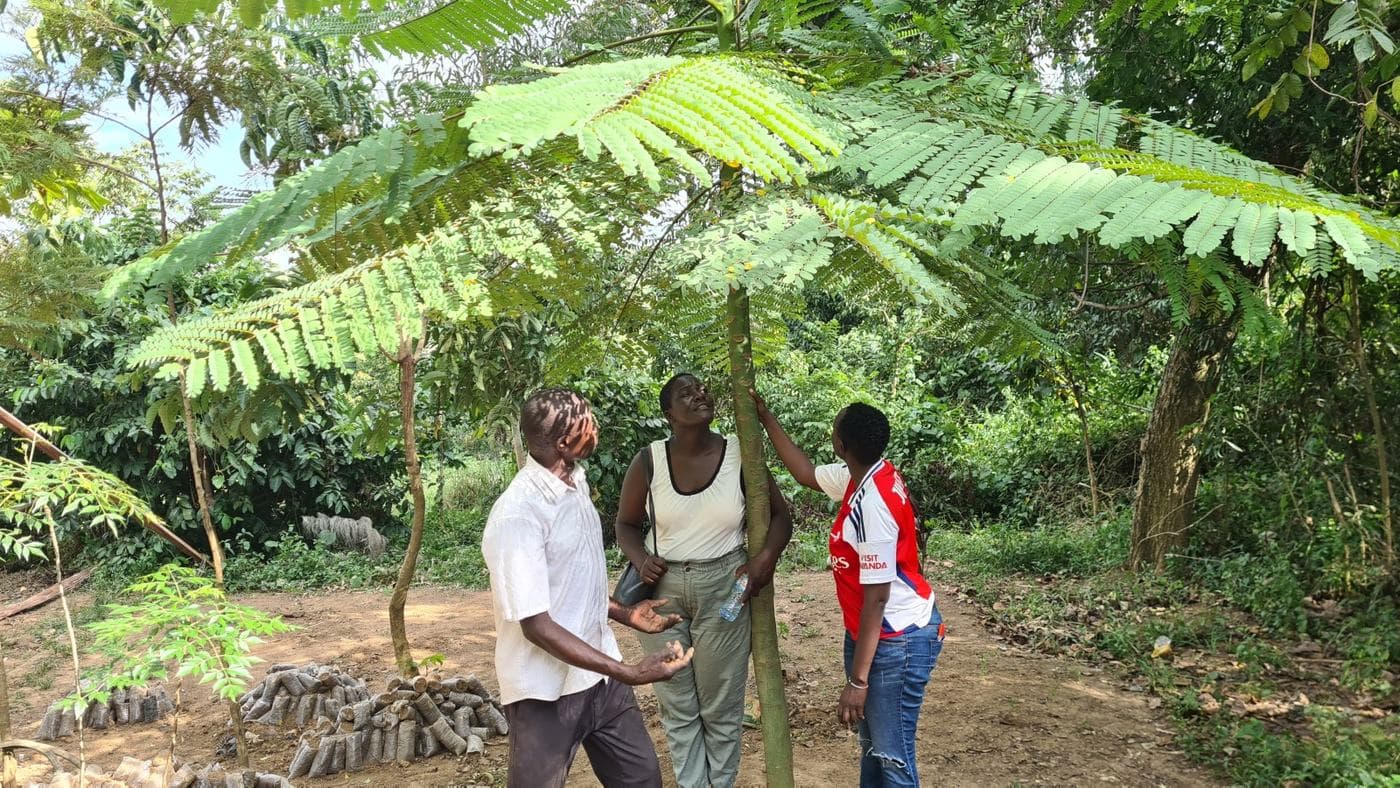
Alongside tree planting, agroforestry, nursery development, and youth training, it contributes to a model that connects environmental responsibility with practical skills and local opportunities.
Help Communities Grow More
Get Involved
We welcome opportunities to collaborate with schools, community organizations, agricultural practitioners, development partners, and individuals interested in sustainable food production.
Whether through technical knowledge, training support, appropriate materials, or partnerships, collaboration can help expand practical learning opportunities.
Together, we can support more resourceful, resilient, and productive communities.